Pilot Error and Space Invaders
Another plane crashes with all on board killed. The papers blame the pilot. The official report agrees. It was pilot error again. But was the pilot really to blame? Would the pilot have still made the mistake if the cockpit - a very complicated computer interface - had been designed differently? Or is better training the solution?
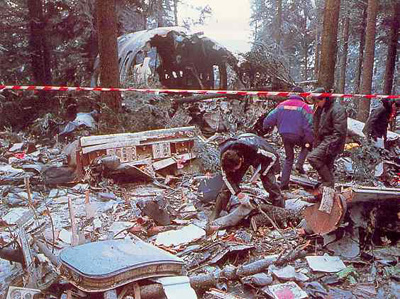
This is something that is important for computer scientists and software engineers to know - as if it is the design of the human-computer interface that is the problem then it is ultimately their fault.
Pilot to blame?
One view is that there is no excuse for such lapses: for example Stephen J. Gould, famous for his books about evolution has written:
"Baseball players make a proper distinction between physical errors, which can happen to anyone at any time and should engender no shame and mental errors - bonehead judgements - forgetting the rules - which should never occur ... No excuses possible."
If this is true then pilot error is inexcusable, but more training should help.
Designer to blame?
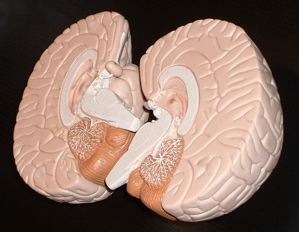
Others, doing research in the area of human error, disagree. Humans are always going to make errors if the situation conspires against them and especially if computer interfaces are badly designed. It is because of the way our brains are wired. Research has shown that some kinds of human errors happen because everyone has only limited amounts of working memory: the part of our brain used to remember things for short periods. When there is lots to think about (like in a crisis flying a plane) more of your working memory is filled. The lapse is more likely to happen.
If this view is correct then training can only help so much. Better computer design is the answer.
Everyday Errors
Have you ever forgotten your change in a shop or from a vending machine? Have you ever forgotten to take the receipt? Have you ever photocopied something then forgotten your original. Have you ever forgotten to switch off the headlights of your car? My own personal bug-bear is forgetting to switch off the gas on the cooker. I'm often getting into trouble for it. These and countless other similar ones are all examples of the same kind of human error. And people are naturally prone to make them. All involve completing the thing you were trying to do: get a drink or chocolate, a photocopy, arrive at the place you were going to, cook the meal, etc. For all of these errors there was an extra thing you had to do after you had completed the main task ... and you forgot to do it. (take the change, take the receipt, switch off the headlights or the gas). Experiments have shown that these errors happen due to working memory overload combined with the structure of the task.
If enough other things are going on, anyone can make this kind of mistake, but they can also be avoided with good design. Early cash machines gave back the money first then the card. People regularly forgot their cards. Same error. Now, in Britain at least, the machines always give the card back first. People rarely forget their cards with the redesigned machines. Better design: human error disappears.
Play the game
Psychologists suspect that people can't, in general, train the error completely away. Turn up the amount of things they have to deal with, as happens to a pilot in an emergency, and however well-trained the person is they may still make the error.
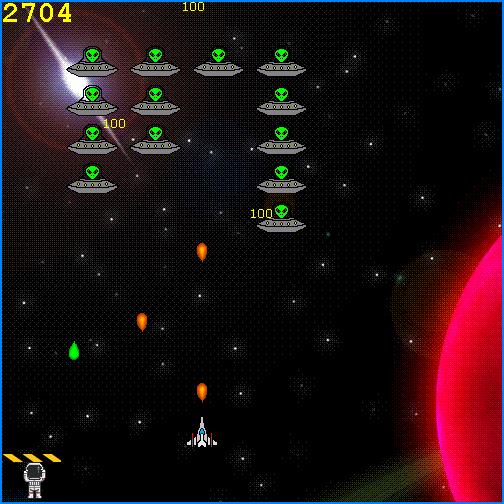
We have developed a human error spaceinvaders game to challenge you not to make mistakes. It's not available right now so instead see if you can go through life never making any mistakes!
